5 superfoods for type 1 diabetes
Health

5 superfoods for type 1 diabetes

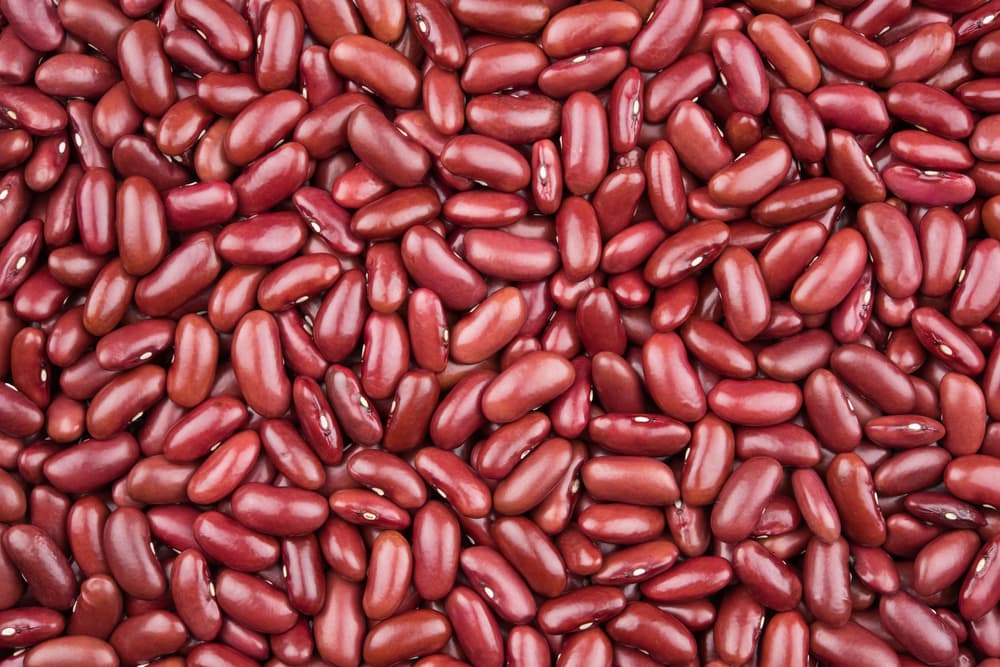
Type 1 diabetes is an autoimmune condition caused by the immune system attacking the insulin-producing cells in the pancreas. Thus, the pancreas can no longer produce insulin or produce very little insulin. Since insulin helps the body use blood sugar to produce energy, its absence causes a build-up of sugar in the bloodstream. Living with type 1 diabetes requires attention to nutrition, and individuals can benefit from including these five superfoods in their food regimen. Beans Lentils and beans, such as black beans, kidney beans, etc., are nutritional powerhouses for those managing type 1 diabetes. They are rich in magnesium, potassium, B vitamins, calcium, and iron, all of which are essential for the body. Notably, magnesium, a vital mineral found in beans, manages carbohydrate metabolism, and its deficiency has been found to worsen insulin sensitivity. Along with that, these legumes are also high in fiber and protein, both of which help in slowing carbohydrate digestion, consequently regulating the gradual entry of sugar into the bloodstream. Whole grains Whole grains such as oats, brown rice, and quinoa are also advantageous for individuals with Type 1 diabetes, as they are packed with essential nutrients. These include fiber, magnesium, B vitamins, chromium, iron, and folate. The high fiber content of whole grains, along with its magnesium content, aids in managing blood sugar levels, making them a valuable addition to the food regimen. Citrus fruits and berries Citrus fruits such as oranges, grapefruits, lemons, etc., are rich in fiber, vitamin C, folate, and potassium, and make for nutritious additions to a diabetic-friendly menu. Along with that, berries can also be a great addition to the menu for individuals with type 1 diabetes. This is because berries are rich in antioxidants, fiber, vitamins, manganese, and potassium. So, they offer a great way to satisfy one’s sweet cravings while supporting blood sugar control.
10 foods to avoid to manage type 1 diabetes
Health

10 foods to avoid to manage type 1 diabetes

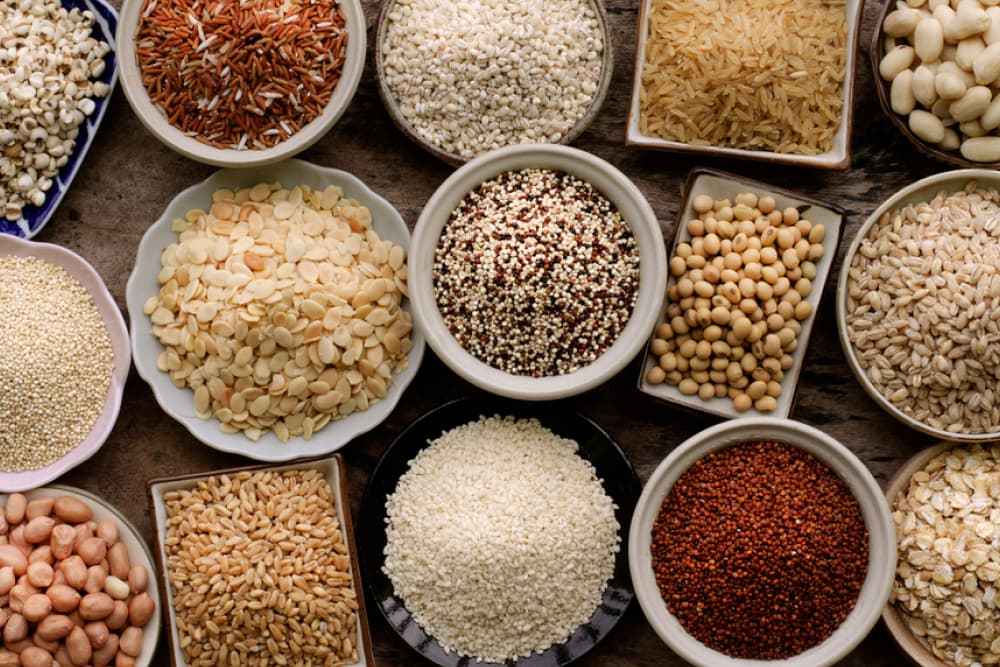
Embarking on a mindful eating journey becomes crucial when managing Type 1 diabetes. Individuals with this condition should be vigilant about their food choices to maintain stable blood sugar levels. In managing Type 1 diabetes, a thoughtful approach to food choices is pivotal in maintaining overall health. By navigating away from foods that cause significant fluctuations in blood sugar levels, individuals can foster balanced, diabetes-friendly meals that support their journey toward optimal well-being. Refined carbohydrates For those managing Type 1 diabetes, it’s wise to steer clear of refined carbohydrates such as white bread, sugary cereals, and pastries. These foods can cause rapid spikes in blood sugar levels. Opting for whole grains like brown rice, quinoa, and whole wheat bread provides a more stable energy source. Processed snacks Packaged snacks laden with preservatives and trans fats can be troublesome for those with Type 1 diabetes. Opting for whole, nutrient-dense snacks like fresh fruit, vegetables with hummus, or a handful of nuts is advisable to promote better blood sugar control. High-fat dairy Opting for low-fat or fat-free dairy products is advisable for those with Type 1 diabetes. High-fat dairy items like whole milk and full-fat yogurt can increase cholesterol levels. Choosing leaner alternatives supports overall heart health. Processed meats Processed meats such as sausages, bacon, and deli meats often contain added sugars and unhealthy fats. Choosing lean protein sources like grilled chicken, fish, or legumes promotes better blood sugar control and overall health. Salty foods Foods high in sodium, such as processed soups, canned meals, and salty snacks, can elevate blood pressure. Opting for fresh, whole foods and using herbs and spices for flavoring supports both diabetes management and overall cardiovascular health. Melons While melons are a refreshing choice, they can have a higher sugar content. Moderation and pairing with protein or healthy fats can mitigate their impact on blood sugar levels.
Tongue cancer – Signs, causes, and management
Health

Tongue cancer – Signs, causes, and management

Tongue cancer occurs when healthy cells are affected and divide rapidly to form a growth or a tumor. These developments start as growth cells in the thin, flat cells called squamous cells on the tongue’s surface. There are two types of tongue cancers – oral tongue cancer, which occurs on the part visible when one sticks one’s tongue out, and oropharyngeal cancer, which is diagnosed after the mutations spread to the lymph nodes. Signs and symptoms The most common signs of tongue cancer are white or red patches, sores, or lumps on the side of the tongue, which usually do not go away. Other signs include pain in or near the tongue, changes in voice, a sore throat, numb mouth or tongue, and trouble chewing, swallowing, or moving the jaws or tongue. One is likely to experience jaw swelling and a sensation that something is stuck in the throat. Causes Experts suspect various factors are responsible for tongue cancer. A cell’s DNA consists of various instructions that tell it what to do. Tongue cancer begins when the tongue’s healthy cells change their DNA, causing the cells to grow out of control and replace the healthy cells. An excessive number of cancerous cells form growths called tumors, which can spread to other parts of the body. Experts also believe that the common human papillomavirus (HPV) causes cancers on the base of the tongue and is transmitted through human contact. Other risk factors may also contribute to the growth of tongue cancer, which includes people over the age of 45, the lack of dental care, and those with a weak immune system. Management options Tongue cancer management usually includes various expert-recommended treatments. The treatment plan is curated based on factors such as the cancer’s location and its growth speed. Other factors to consider before treatment include whether the mutation has spread to other body parts and the individual’s overall health and age.
Gastric cancer – Signs, causes, and management options
Health

Gastric cancer – Signs, causes, and management options

Gastric cancer is also called stomach cancer. It starts when the cells in a person’s stomach grow faster than usual. This abnormally fast cell growth usually begins in the gastroesophageal junction or the area between the stomach and esophagus. As the ailment progresses, the abnormal cell growth starts in the stomach’s deeper layers. To avoid this, one must treat the cancer quite early. Patients should also understand the various causes and symptoms of gastric cancer. Common causes It is not yet known what exactly causes gastric cancer. However, it has been observed that the disease is set off when the stomach lining gets injured or damaged. This can happen when someone has a prolonged infection, eats salty foods, or develops acid reflux frequently. However, not everyone who has these risk factors will have stomach cancer. When the stomach’s lining is injured or damaged, it may change the DNA of the cells. This change can lead the cells to multiply, grow at an abnormal rate, and destroy a person’s healthy cells and body tissue. The extra cells in the stomach combine to form a tumor as time passes. Common symptoms In the early stages, gastric cancer does not cause any visible symptoms. In most cases, one may experience a constant pain in the upper part of the stomach. Sometimes, frequent indigestion may also occur. Patients may notice these signs more clearly as the cancer progresses to the advanced stages. Then, one may start developing some of these common symptoms of gastric cancer: Difficulty in swallowing Abdomen pain Experiencing bloating after meals Feeling full with just small portions of food Not feeling hungry Frequent heartburn Frequent indigestion Nausea Vomiting Fatigue and tiredness Dark appearance of stools When gastric cancer enters the advanced stages, it may start spreading to other areas of the body.
3 early signs of vitiligo that should not be ignored
Health

3 early signs of vitiligo that should not be ignored

Vitiligo is an autoimmune condition that affects the skin, hair, and other areas of the body. This disease generally causes depigmentation, or the loss of skin pigment, when it first starts developing in individuals. Over time, this disease tends to mistakenly attack the healthy cells in the body. The condition can be diagnosed based on certain signs and symptoms. Read on to learn about some of the early symptoms of the condition. Changes and inconsistencies in skin color People with vitiligo observe certain skin patches on various areas of their body. These patches have skin that is different in color compared to other areas in the body. This is called depigmentation, which occurs in the early onset of this disease. Depigmentation occurs symmetrically on both sides of the body, typically on the elbows, face, knees, backs of hands and feet, and genital areas. Depigmentation occurs depending on the kind of vitiligo a person is experiencing. For example, if one has early-stage localized vitiligo, one will have such patches only in a specific part of the body. However, if one has generalized vitiligo, the patches are scattered throughout the skin. In universal vitiligo, people suffer depigmentation so extensively across their body that it appears all their skin has lost color. Finally, non-segmental vitiligo, or the most common kind of the disease, causes patch patterns to develop symmetrically on both sides of the body. This particular early sign is an important indicator of various immune system issues in people. Premature whitening of hair The key thing that vitiligo affects is pigment. Any part of the body that has a pigment of any sort providing it a certain hue is susceptible to vitiligo symptoms. One such bodily area is the hair. The cells that provide pigmentation to the hair get affected even in the initial stages of this disease.
7 common foods that boost lung health
Health

7 common foods that boost lung health

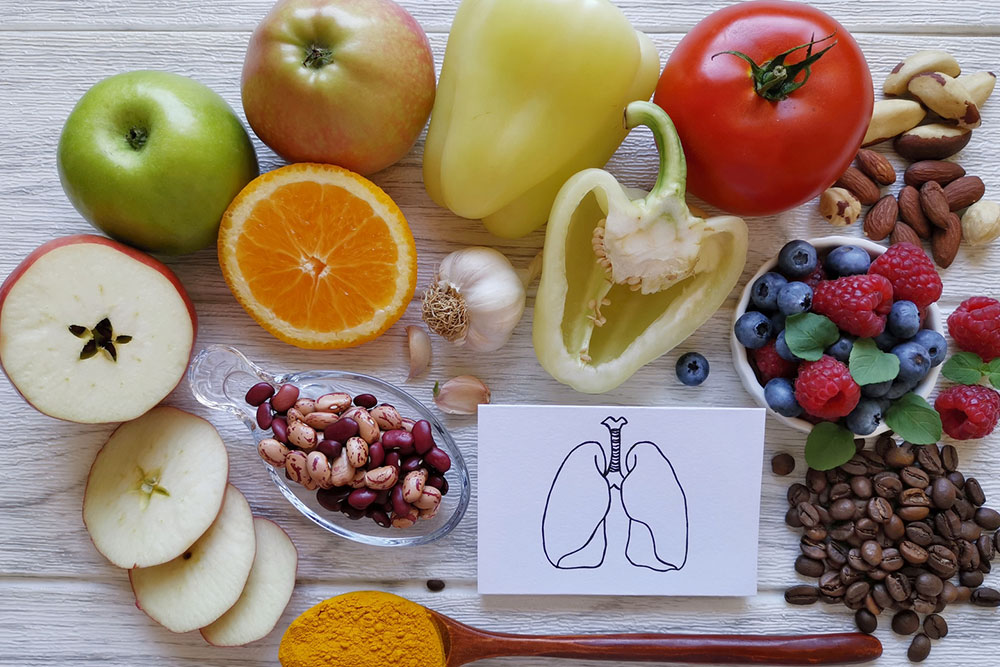
Most people will be surprised that their food may affect their breathing. It is, therefore, essential to eat certain foods to manage lung health and live a healthy life. Besides, healthy eating habits, a healthy lifestyle, and avoiding common lung irritants are the basics of keeping the respiratory system in pristine health. Some foods can help individuals improve their breathing capacity and better manage their respiratory illness. Let’s know a few: Apples Apples are rich in the antioxidant quercetin, which is known for lowering the body’s inflammatory levels and easing irritation. Patients with COPD can add apples to their daily snacks or meals to relieve their inflamed airways and lungs. Bananas also have some amount of this antioxidant in them. Beet Including beetroots in meals can help increase the amount of healthy nitrates. The body then converts these nitrates into nitric oxide, which relaxes the blood vessels and lowers blood pressure. This process also improves the oxygen passing through the blood vessels, benefiting breathing and lung health. Additionally, beets contain antioxidants and have anti-inflammatory properties. Blueberries Blueberries carry a rich source of anthocyanins – an antioxidant flavonoid in high quantities in dark-colored berries like black and strawberries. They can be especially beneficial in reducing the inflammation and mucus levels in the lungs and the rest of the respiratory tract. Berries can also help slow down the age-related decline in lung tissues. Spinach Spinach, kale, and Swiss chard are great for improved lung health. They are all rich in vitamin C, carotenoids, and other antioxidants useful in fighting inflammation. Including an optimum amount of carotenoids in daily intake can assist in lowering the risk of lung cancer in individuals. Lentils Lentils, along with other legumes, have high levels of fiber. Studies suggest that the improved fiber intake from legumes benefits the lungs.
Key management options for early-stage lung cancer
Health

Key management options for early-stage lung cancer

Lung cancer begins with abnormal cells growing uncontrollably in the lungs. The most common form of this condition is called non-small cell lung cancer (NSCLC). When detected early, NSCLC can be managed with surgery and platinum-based chemotherapy; however, adding KEYTRUDA® to the treatment plan can ensure that the cancer does not come back. KEYTRUDA® is a type of immunotherapy—a common part of lung cancer treatment. Here are a few more things to know: How does KEYTRUDA® work? KEYTRUDA® is a form of immunotherapy that works with the immune system to help fight early-stage lung cancer. The immune system is the body’s natural defense mechanism against any intruders that cause harm. The system sends a specific type of cell called T cells to all body parts. These T-cells then detect and try to fight infections and diseases, including cancer. Usually, cancer cells use something known as the PD-1 pathway to hide from the T cells. So, T-cells cannot detect cancer cells, which continue attacking healthy cells and growing unchecked. KEYTRUDA®helps block the PD-1 pathway. So, cancer cells have trouble hiding, and the immune system can detect and fight them.  How is it used for early-stage NSCLC management? For early-stage non-small cell lung cancer, KEYTRUDA® can be the first line of treatment when the cancer is restricted to the chest and one cannot undergo chemotherapy with radiation or surgery. KEYTRUDA® can also be used alone when cancer has spread to other areas of the body, but it does not have certain abnormal genes and tests positive for PD-L1 (a protein to which PD-1 attaches). Further, KEYTRUDA® may work as the only form of treatment when chemotherapy has not had favorable results. Apart from this, KEYTRUDA® can be administered along with platinum-based chemotherapy before surgery for early-stage NSCLC. Alternatively, after the tumor has been removed, KEYTRUDA® can be added to the treatment plan to lower the risk of lung cancer from coming back.
Gastric cancer – What it is and its management
Health

Gastric cancer – What it is and its management

Gastric cancer, more commonly known as stomach cancer, generally begins in the stomach or the part where the esophagus meets the stomach. As per observations, it has been found that most stomach cancers are less likely to be cured if they are at an advanced stage. But here is where KEYTRUDA® comes in. KEYTRUDA® is an immunotherapy prescription that helps the immune system fight cancer cells. Here is how it can help fight gastric cancer. How does KEYTRUDA® work? To understand how KEYTRUDA® works, one must first know how cancer cells evade the immune system. The immune system works constantly to find any infections and diseases in the body. Likewise, it also keeps searching for cancer cells to fight them. However, cancer cells have a defense mechanism against the system, which allows them to hide in a place called the PD1 pathway. Due to this, the T cells of the immune system can not find the cancer cells. KEYTRUDA® blocks this PD1 pathway so cancer cells cannot hide from the T cells, and the immune system can fight them. How does it help fight gastric cancer? To fight gastric cancer, a doctor may prescribe KEYTRUDA® in combination with other treatment options. KEYTRUDA® may generally be prescribed for gastric cancer when the following conditions are noted: When gastric cancer is HER2-negative: HER2 is a type of protein that promotes cell growth. If cancer cells produce high amounts of HER2, it may allow them to grow and spread to other parts of the body. So, if the cancer cells are not producing this protein in high amounts, they are HER2-negative. In such cases, KEYTRUDA® can be prescribed. When the gastric cancer cannot be removed by surgery: KEYTRUDA® may be prescribed if the gastric cancer has spread or cannot be surgically removed. Clinical trial results of KEYTRUDA® for gastric cancer A few clinical trials were conducted to understand the effectiveness of KEYTRUDA® for gastric cancer.
Advanced urothelial bladder cancer and how to manage it
Health

Advanced urothelial bladder cancer and how to manage it

Urothelial cancer, also called bladder and urinary tract cancer, occurs when abnormal cells grow uncontrolled in the urethra, bladder, ureters, renal pelvis, and other organs in the area. It’s easier to manage and cure the condition in the early stages. However, for metastatic urothelial cancer (mUC), treatments like KEYTRUDA® can be used. KEYTRUDA® is an FDA-approved treatment prescribed mainly in cases where the cancer is spreading and cannot be treated by surgery. What is KEYTRUDA®? KEYTRUDA® is a type of immunotherapy that helps the body’s natural defenses to fight cancer. In other words, it helps the immune system recognize and attack cancerous cells. It is usually prescribed if the patient cannot receive chemotherapy that contains platinum. This can be because it’s ineffective or the patient is progressively less responsive to it. How does KEYTRUDA® help with cancer? The body’s built-in defense system, which is the immune system, sends T cells to find and destroy cancerous cells to protect the body from diseases. However, in cases like urothelial cancer, the cancer cells use a pathway called PD-1. This pathway lets them hide from the T cells, and the cancer cells trick the immune system. KEYTRUDA® mainly helps block this PD-1 pathway so that the cells can no longer hide and the immune system can fight against cancer. How long is the treatment needed? The treatment must be prescribed by a trained healthcare professional. The dosing may vary from one patient to another. In adults with certain cancers, KEYTRUDA® may be given every three or six weeks, depending on the dosage. For children, Keytruda may be given once every three weeks. Studies so far have shown that about half of the people who took KEYTRUDA®, along with other treatments, noted their cancer had stopped spreading or getting worse in about 12.5 months.
6 tips to manage menopausal hot flashes and night sweats
Health

6 tips to manage menopausal hot flashes and night sweats

Hot flashes and night sweats are two notable signs of menopause and perimenopause. Generally, hot flashes cause sudden episodes of heat that spread through the face, chest, and neck. When hot flashes occur at night, it causes night sweats. Both symptoms result from significant changes in hormone levels, specifically estrogen and progesterone. While stopping hormonal changes is impossible, one can manage the effects of hot flashes and sweats with these tips and feel better: Reduce the room’s temperature Even a slight increase in core body temperature can trigger hot flashes and night sweats. One way to manage core body temperature is to make the room cooler. Individuals can do this by turning down the thermostat, switching on the air conditioner, installing a fan, opening a window, or sleeping on a cooling gel pad. Wear breathable clothes Clothes made using synthetic fabrics trap body heat and do not absorb sweat or let it evaporate. Wearing such clothes can not only cause discomfort but also trigger hot flashes. Therefore, one should wear breathable fabrics like cotton, linen, muslin, and bamboo. Loose and lightweight clothing is the best because it keeps the body cool and allows sweat to evaporate from the skin during night sweats. Avoid spicy food Spicy foods naturally increase body temperature because they often contain peppers in large quantities. The capsaicin chemical in peppers activates the nervous system, increasing the core body temperature. And as the body feels warmer, night sweats and hot flashes are more likely to occur. Eat foods containing soy Soy-based foods are known to have a high percentage of a plant-based estrogen called isoflavones. Daidzein, a type of isoflavone, can transform gut bacteria into equol. This compound can lower the frequency and severity of hot flashes and night sweats. Therefore, including soy-based foods in one’s meals is a good idea during menopause and perimenopause.