4 surprising facts about menopausal night sweats
Health

4 surprising facts about menopausal night sweats

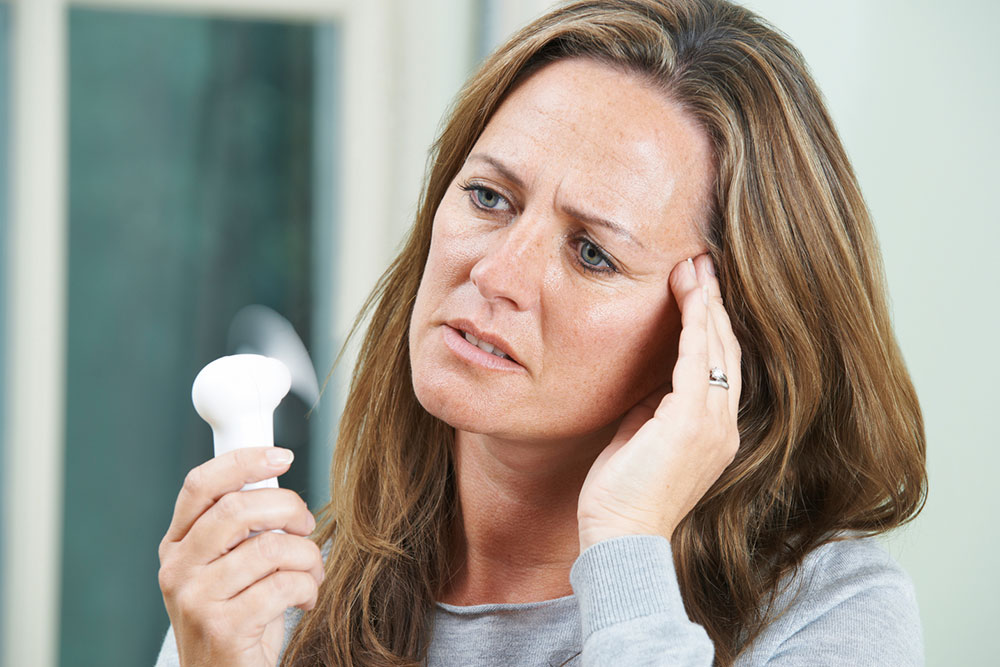
Menopause is a phase following the last menstrual cycle. It is a result of a natural decline in reproductive hormones, which typically happens as women reach their 40s and 50s. There are many symptoms associated with menopause, and night sweats are common in this period. It is essential to recognize and address this symptom and manage it. So, here are some surprising facts about menopausal night sweats one should know. 1. Night sweats may differ from hot flashes Research presented at the North American Menopause Society on the findings of night sweats and hot flashes suggested that night sweats may cause a higher level of stress and discomfort than hot flashes. Further, hot flashes could occur during the day or night but typically have shorter periods of sweating. Night sweats, however, are known to last a lot longer and lead to excessive perspiration. 2.  Triggers are not yet known The exact trigger for night sweats remains unknown. It could be triggered due to declining estrogen levels, but there is not enough evidence to establish the link conclusively. Some believe that when the ovaries stop producing estrogen, there is an increase in the follicle-stimulating hormone (FSH), which sets off the brain neurons that help control the body’s temperature. This may lead to night sweats as well as sleep deprivation associated with menopause. 3.  Night sweats may last 10 years About 75% of those who go through menopause may experience night sweats and hot flashes. However, some women may start experiencing these symptoms years before their last menstrual cycle. Anecdotal evidence also suggests that some in their 80s continue to experience night sweats. 4. Menopausal night sweats can be managed Although menopause-induced night sweats may not have a cure, there are ways to deal with this symptom. Here are a few things one can try:
Menopause – Causes, symptoms, and management
Health

Menopause – Causes, symptoms, and management

Menopause is a natural biological process that marks the end of a woman’s reproductive years. During this time, a person usually goes 12 consecutive months without a menstrual cycle. The ovaries gradually produce less estrogen as one ages, leading to irregular menstrual cycles. When the ovaries stop producing estrogen, menopause occurs. Once menopause begins, the fat cells start making most of the body’s estrogen. Here are details on its causes, symptoms, and treatments for menopause. Causes of menopause Menopause is a process that women experience wherein their ovaries no longer release an egg every month and the cycle of menstruation, marked by bleeding, no longer takes place. It usually begins after 40 years of age, but some may experience it earlier. Aging is the most common reason for natural menopause, but there are other reasons why one may experience it. Ovarian surgery, for example, may also be one of the reasons. Chemotherapy is another standard cancer treatment that can damage ovaries and lead to menopause. There are other reasons why the menstrual cycle may stop, like surgery, hormonal treatments, and radiation therapy, to name a few. But to consider a stage as menopause, one has to complete a year without menstrual bleeding. Symptoms of menopause As women approach menopause, here are some common signs they may experience: Hot flashes Hot flashes, also known as vasomotor symptoms (VMS), are the most common symptoms. They involve a sudden warmth spreading across one’s upper body. These are accompanied by blushing, a racing heart, and sweating, and the hot flashes can vary from mild to severe. Changes in sensitive areas Menopausal women may also experience irregular or missed periods, heavier bleeding than usual, vaginal dryness, or sore or tender breasts. Dryness Menopause can lead women to feel dryness in their skin, eyes, or mouth.
4 early signs of menopause that should not be ignored
Health

4 early signs of menopause that should not be ignored

The term menopause is used to refer to the end of a woman’s menstrual cycle. In most cases, this occurs between the ages of 45 and 55 years. Around this time, periods become irregular before they finally stop. It is also a time when estrogen and progesterone levels drop, leading to several changes in the body. These are some early signs of menopause that may interfere with one’s daily life and must not be ignored. Hot flashes and night sweats Most women experience hot flashes during the day as a result of menopause. These are one to five-minute-long sensations of warmth, heat, sweating, flushing, or experiencing chills. When these occur at night, they are referred to as night sweats. They can significantly impact the quality of one’s life by interfering with daily activities and sleep. Although medical help can make symptom management easier, only one in four women seek professional advice for hot flashes. Cognitive issues Estrogen and progesterone are responsible for supporting memory and brain function among women. Thus, reduced levels of these hormones in the body can also cause brain fog and affect memory and concentration in menopausal women. This leads to frustration, affecting their productivity and outlook towards daily activities. In many cases, cognitive symptoms may further be exacerbated by poor sleep and other stressors. One should consult a professional to manage these early signs of menopause effectively. Digestive changes Estrogen is responsible for handling the sensitivity of the digestive tract. As its levels drop during menopause, one could experience new food sensitivities or have an increased risk of irritable bowel syndrome (IBS). This may be accompanied by food cravings, particularly for sugars and refined carbohydrates. Another common experience many women go through during menopause is a changed perception of how things taste, especially sugar. This could increase their preference for sweeter foods.
Key things to know about vitiligo
Health

Key things to know about vitiligo

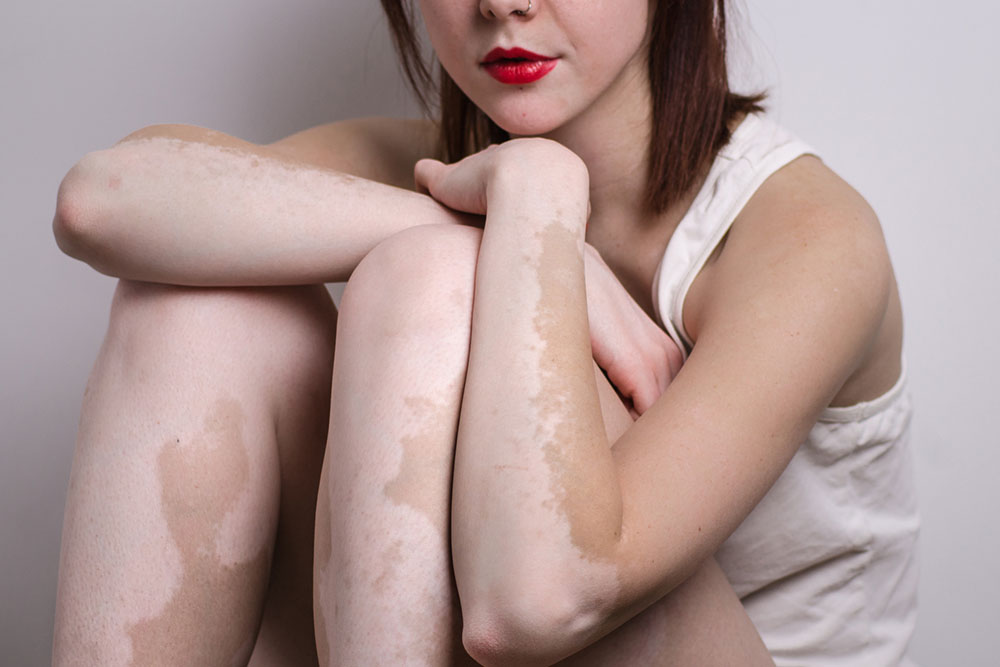
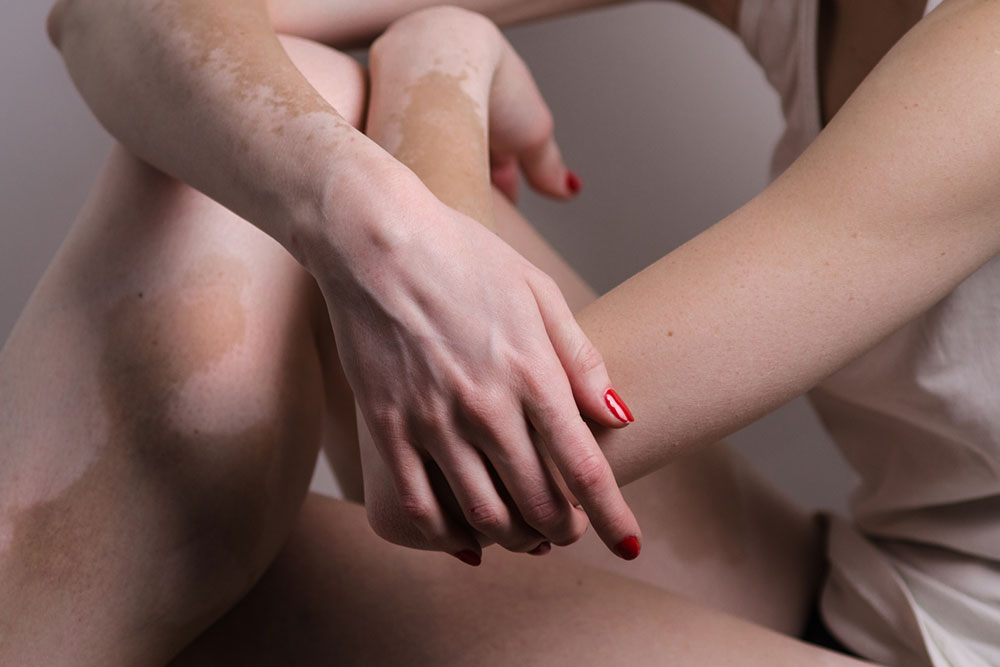
Vitiligo is an autoimmune disorder that causes loss of color in some areas of the skin. As a result, uneven white patches without any pigmentation start to develop. Some may develop only a few white spots, while others may have a more widespread loss of pigment. However, in both cases, the skin feels normal. There is no cure for this skin condition, although treatment may help stop its progression. Here’s what one needs to know. Causes Vitiligo is a type of autoimmune disorder that occurs when the immune system begins to attack healthy cells. In this case, the immune cells that produce melanocytes, which are responsible for producing melanin, start to die, resulting in a loss of melanin production. Melanin is the pigment that gives color to our skin, so the skin becomes lighter wherever the melanin-producing cells are attacked. Over time, white patches start to appear. It is unknown why the immune system attacks the cells that produce the melanin. However, healthcare experts know certain factors can increase the risk of developing it. Some of the well-known risk factors include: Addison’s disease is an autoimmune disorder that is triggered when the adrenal glands are not able to produce sufficient hormones. Thyroid Pernicious anemia, which decreases red blood cell count when the intestines are not able to absorb vitamin B12 Type 1 diabetes Symptoms The symptoms usually start before the age of 30 years. But in some people, it can start even at an older age. Some of the common symptoms include the following. Loss of skin color in patches. These generally appear on the face, hands, elbows, knees, and feet during the initial stage. Premature graying or whitening of hair on eyebrows, eyelashes, scalp, and beard. Loss of pigment in the mucous membranes or tissues lining the insides of the nose and mouth.
5 tips for managing vitiligo symptoms
Health

5 tips for managing vitiligo symptoms

Vitiligo is an autoimmune condition that causes the skin to lose its natural color. It affects millions of people all over the world. Living with this condition can be tough, as various factors can trigger it. This is why it is important to know some ways in which one can manage the condition and prevent it from worsening. To help with that, here are a few tips to manage the symptoms of vitiligo. Eat foods rich in antioxidants Vitiligo is a condition that results in the depigmentation of the skin. One of the ways to prevent this is by consuming more antioxidants. These compounds help reduce the stress on the melanin cells, which are responsible for skin pigmentation. One can find antioxidants in several foods, such as nuts, seeds, citrus fruits, and berries. These are also rich in omega-3 fatty acids, which have antioxidant properties. Incorporating these into one’s meals can help protect the skin cells and reduce the risk of depigmentation caused by vitiligo. Avoid inflammatory foods Vitiligo is a skin condition that causes loss of pigment, resulting in white patches on the skin. It is essential to follow a balanced meal plan rich in antioxidants and free from inflammatory foods to alleviate its symptoms. Inflammatory foods like sugary foods and drinks, white bread, white pasta, gluten, and highly processed foods can worsen the condition. Hence, it is best to avoid these foods and focus on consuming antioxidant-rich foods that can help boost the immune system and promote healthy skin. Incorporate beta-carotene-rich foods Quite a few studies and observations have shown that consuming foods with beta-carotene helps reduce the symptoms of vitiligo. Beta-carotene can also help strengthen the immune system, which helps with the condition. Beta-carotene is commonly found in yellow, orange, and green vegetables. So, one can include vegetables such as spinach, kale, tomatoes, carrots, broccoli, and lettuce to boost beta-carotene.
Symptoms and management of cervical cancer
Health

Symptoms and management of cervical cancer

Cervical cancer is a type of cancer that affects the cervix, which is the lower part of the uterus that connects to the vagina. There are various strains of HPV, or the human papillomavirus, which is usually the primary reason for cervical cancers. HPV is a common STD that can be prevented through a vaccine at an early age. Here are some of the symptoms of cervical cancer and its treatment options. Signs and symptoms Unusual bleeding This is one of the most common signs of cervical cancer. The unusual bleeding can occur between menstrual period cycles, after menopause, or even after intercourse with a partner. Pelvic pain This is another common symptom usually experienced when the cancer cells start to spread to nearby organs and tissues. The metastasis of cancer cells leads to pain in the pelvic region. Pain during intercourse Just like pelvic pain, one can also experience pain or discomfort during intercourse, and this is known as dyspareunia. This can happen due to the tumor in the cervix. Heavy menstrual bleeding Heavy bleeding during a regular menstrual cycle should be noted as an abnormal symptom. It typically indicates an underlying health condition, like cervical cancer. Unusual discharge While vaginal discharge is normal, in cervical cancer, the discharge can be watery or bloody. It could also have some foul smell, which is not usual. This may point towards an advanced stage of cervical cancer. Treatment options The treatment options depend on various factors, like the cancer stage and other underlying health conditions that may affect the course of treatment. There are three options for the treatment of cervical cancer: surgery, chemotherapy, and radiation therapy. In some cases, a combination of all three is also used. Surgery This is an option used for tumors that have typically not grown beyond the cervix and can be surgically removed effectively from the region.
A guide to preparing for cancer surgery and post-operative care
Health

A guide to preparing for cancer surgery and post-operative care

In recent years, cancer survival rates have increased tremendously thanks to advancements in cancer interventions. Among these treatments, surgery has emerged as an effective option that prevents the disease from progressing. However, there are certain side effects associated with cancer surgery, leaving patients tired and weak for some time afterward. To eliminate such side effects, it is important to prepare well for the surgical procedure and continue taking adequate care of oneself afterward. Preparing for cancer surgery Take the necessary pre-operative tests Oncologists usually ask patients to take a few general body tests to ensure they are physically fit for the surgery. Some of these tests include the following- A blood test to check blood count, liver and kidney functioning, blood sugar, and more A chest X-ray to examine one’s lung functioning An ECG to check heart health Urine test to examine kidney function Health experts may also suggest other tests based on one’s condition and requirements. One should ensure that all the necessary tests are taken before the surgery and submit the results to one’s doctor well in advance so that if the surgery has to be postponed for health reasons, there’s no last-minute hassle. Have lean protein Protein is essential for building strong muscles, which can help improve resilience during cancer surgery. But, red and processed meats must be strictly avoided, as they might worsen cancer symptoms. So, to minimize physical weakness, one should have sufficient lean protein, including eggs, poultry, venison, and plant-based protein (such as soybeans and lentils), before cancer surgery. Regulate calorie intake It’s important to follow a healthy meal plan before cancer surgery to minimize the risk of complications. One should also monitor one’s calorie intake closely when preparing for cancer surgery, replacing sugary and oily foods from the meal plan with nutrient-rich alternatives.
Symptoms, causes, and management of prostate cancer
Health

Symptoms, causes, and management of prostate cancer

Cancer that starts in the prostate, the reproductive gland that produces seminal fluid, is known as prostate cancer. It is one of the most common cancers affecting people assigned male at birth (AMAB). Some reports suggest that one in every eight men will be diagnosed with prostate cancer in their lives. Although a serious disease, healthcare experts say it is treatable and curable when a person is diagnosed in the initial stages. Symptoms of prostate cancer While one may not experience any signs of prostate cancer early on, as the condition progresses, it may cause some warning signs. – Trouble during urination – Weaker stream of urine – Blood in the urine – Bone pain or pain in the back, hips, and/or pelvis – A frequent urge to urinate, mainly at night – Tiredness or fatigue Causes and risk factors Prostate cancer’s exact cause remains unknown, but researchers believe it develops as a result of specific changes in the glandular cells. These changes are referred to as prostatic intraepithelial neoplasia (PIN) and are observed in over half the population of men over 50. The changes occur slowly, allowing any tumors to be diagnosed before cancer spreads. Although the causes aren’t known, certain risk factors may increase the likelihood of prostate cancer. – Age (increased risk of prostate cancer after 50) – Long-term exposure to certain chemicals or radiation – Higher intakes of calcium and dairy products (increases the risk by 30–50%) – A family history of prostate cancer – Genetic factors, such as inherited features to BRCA1 and BRCA2 genes, or those with Lynch syndrome – Eating high-fat foods Treatment for prostate cancer As every case is unique, doctors choose a treatment based on the stage of cancer, Gleason score, and PSA levels. Watchful waiting For small and localized cancers, doctors may just wait and monitor their progression.
Tardive dyskinesia – Risk factors, management, and more
Health

Tardive dyskinesia – Risk factors, management, and more

Tardive dyskinesia (TD) is a neurological condition caused by a side effect of certain treatment options. They are usually prescribed to manage various mental health conditions. When these treatment options block the dopamine receptors in the brain, both the brain and nervous system malfunction, triggering tardive dyskinesia. This then leads to uncontrollable and abnormal movements in those affected, primarily in their face and torso and sometimes in the entire body. Risk factors While tardive dyskinesia can affect anyone, seniors and women are likely to be at a higher risk of developing the condition. Additionally, pre-existing health issues like diabetes, infections like human immunodeficiency virus (HIV), and injuries to certain areas, especially the brain, are known to increase the risk of tardive dyskinesia. Clinical features One of the most significant clinical features of tardive dyskinesia is that it causes involuntary stiffness and jerky movements in different body parts. Orofacial or oro-bucco-lingual dyskinesia: This is characterized by uncontrolled shaking and movements in various parts of the face, including the lips, jaw, and tongue. As a result, those with the condition might involuntarily stick their tongue out, blink rapidly, chew even when there is no food in the mouth, or smack or pucker their lips. Sometimes, they may unintentionally puff out their cheeks, frown, or grunt. Dyskinesia of the limbs: Some parts of the limbs, such as the fingers, arms, toes, and legs, may also be affected. Those with this condition may involuntarily wiggle their fingers, tap their feet, or flap their arms. They may also thrust out the pelvis, walk with a duck-like gait, and sway from side to side. These movements can make it challenging for those with tardive dyskinesia to perform day-to-day activities. Diagnosis One of the key ways to diagnose tardive dyskinesia is through constant monitoring, specifically when one is undergoing the kind of treatment that can increase the risk of this condition.
Common Causes and Symptoms of Narcolepsy
Health

Common Causes and Symptoms of Narcolepsy

Narcolepsy is a neurological condition where the brain is unable to regulate the body’s sleep-wake cycle. As a result, affected individuals usually feel energized as soon as they wake up in the morning but feel the urge to sleep several times a day. Narcolepsy doesn’t directly trigger serious long-term health conditions but can hamper one’s daily functioning significantly. Identifying the symptoms of narcolepsy early on can help with timely diagnosis and management of the disease. Causes and triggers The underlying biological cause of narcolepsy is the deficiency of hypocretin (also known as orexin), a brain chemical that regulates sleep. Scientists suggest that this hypocretin deficiency is caused by the immune system attacking specific brain regions that produce the brain chemicals. Apart from this, many possible factors may trigger or increase one’s risk of developing narcolepsy. 1. Hormonal changes Puberty and adolescence may cause several hormonal changes in the body, which might trigger narcolepsy in some people. 2. Genetic factors In most cases, narcolepsy is not inherited, but it does run in some families. Among those who develop narcolepsy due to genetic factors, a variation of the HLA-DQB1 gene is thought to trigger the condition. 3. Sudden, strong emotional outbursts If a person experiences sudden, strong bouts of emotion, such as anger, fear, or excitement, they might develop cataplexy, a narcolepsy symptom that causes sudden, brief muscle weakness. 4. An infection Sometimes, a pre-existing infection like swine flu (H1N1 influenza) or a streptococcal infection may also cause or increase one’s risk of narcolepsy. 5. High-stress levels Individuals who experience high levels of stress due to personal or professional reasons may also develop cataplexy, which increases their chances of the condition’s onset. Signs and symptoms 1. Excess sleepiness Usually, a brain chemical called hypocretin (orexin) controls one’s sense of sleep and wakefulness.